Environmental Science
Environmental studies can involve a multitude of disciplines that seek to unravel the consequences of complex interactions between organisms and the physical world - whether that is the microenvironment surrounding a single organism or the global / universal environment. These investigations may involve the physical sciences, geology, biology, ecology, marine science, toxicology and climatic and atmospheric studies.
Often, changes in the abundance and distribution of living organisms over time act as a record or 'early warning system,' of environmental change. Some lichens, for example, can be sensitive to pollutants. Direct sampling and monitoring of the atmosphere, soil, and water systems are used to monitor environmental change and together with observed effects in living organisms help to define acceptable exposure limits for environmental contaminants.
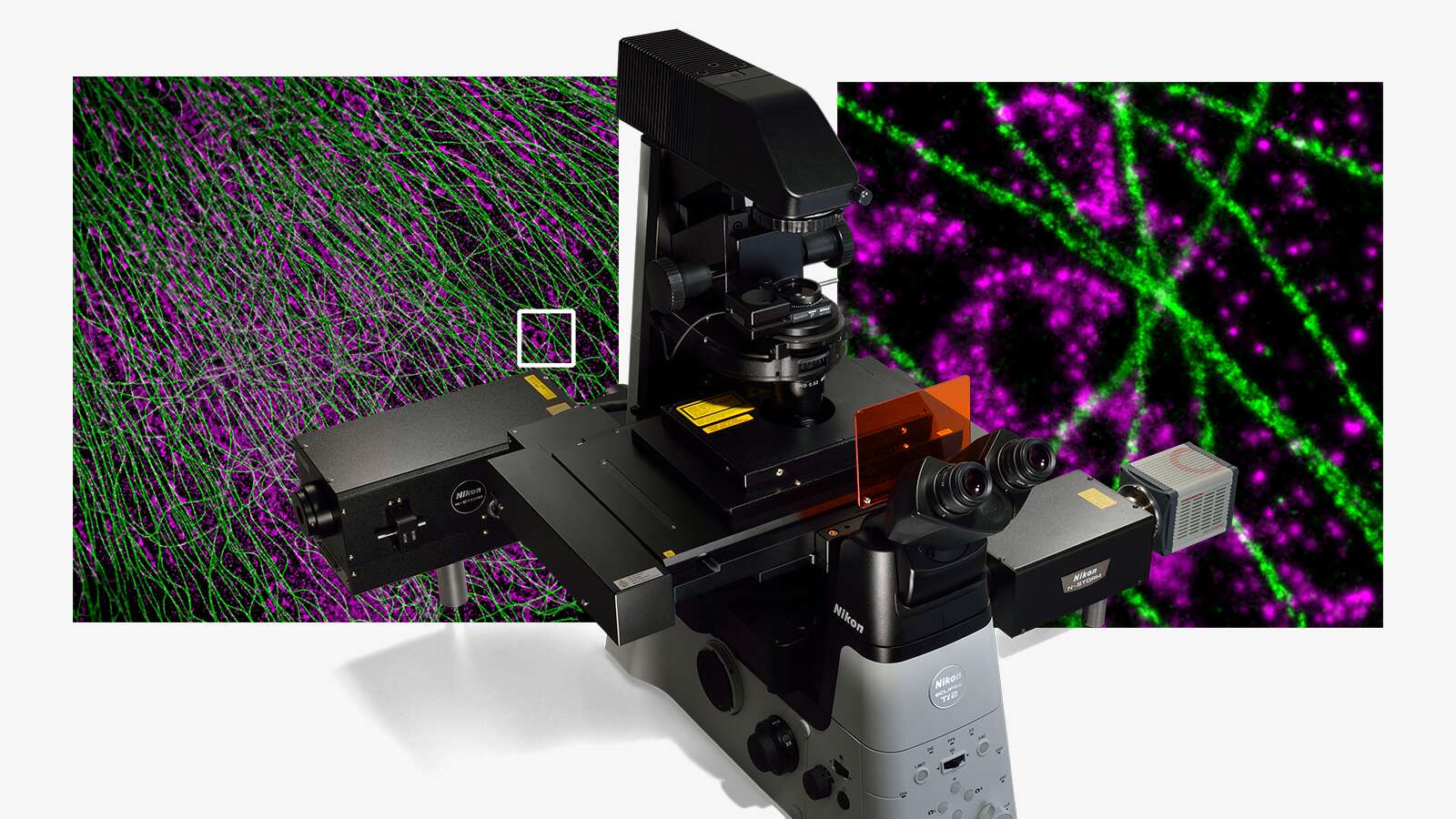
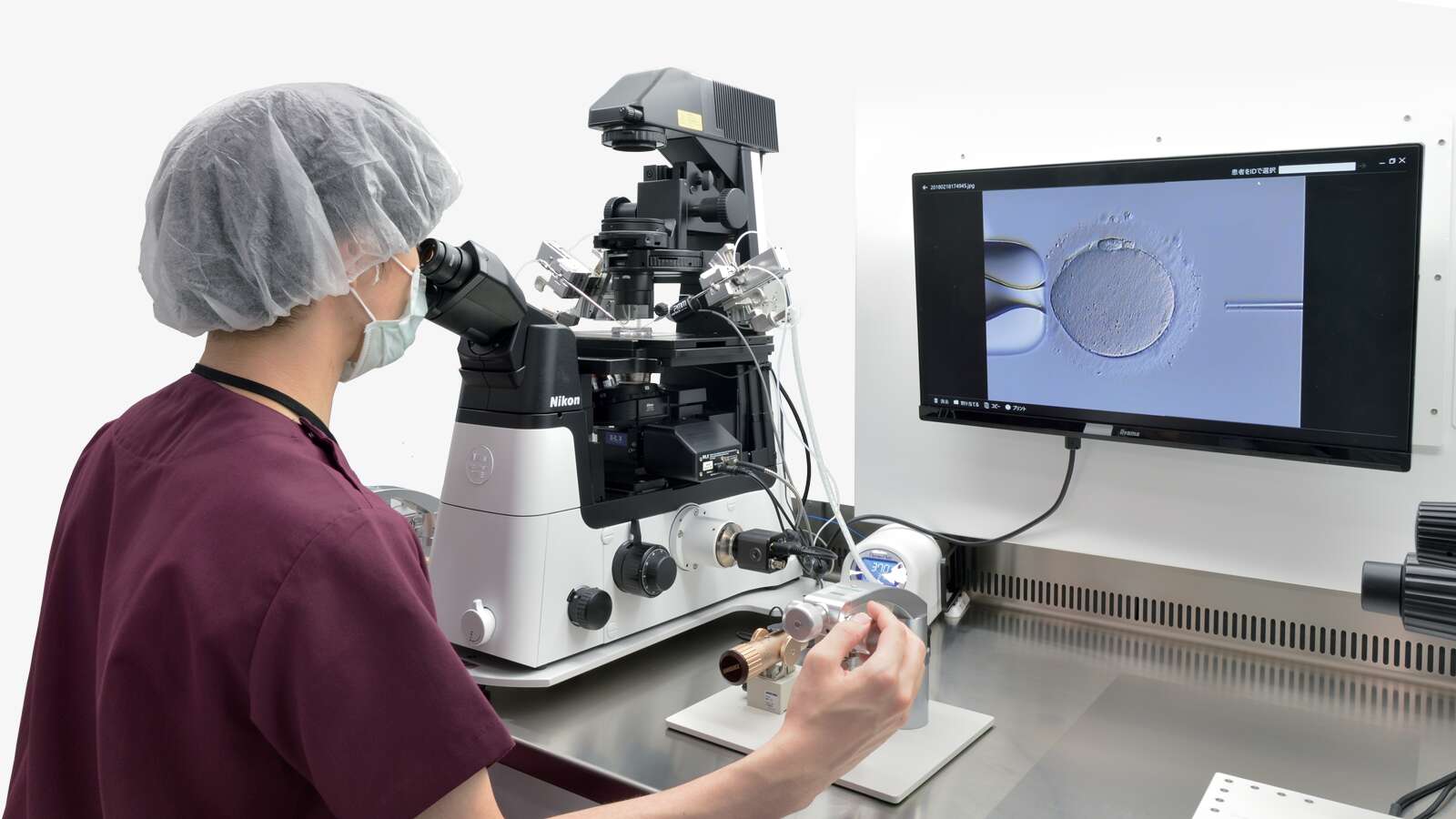
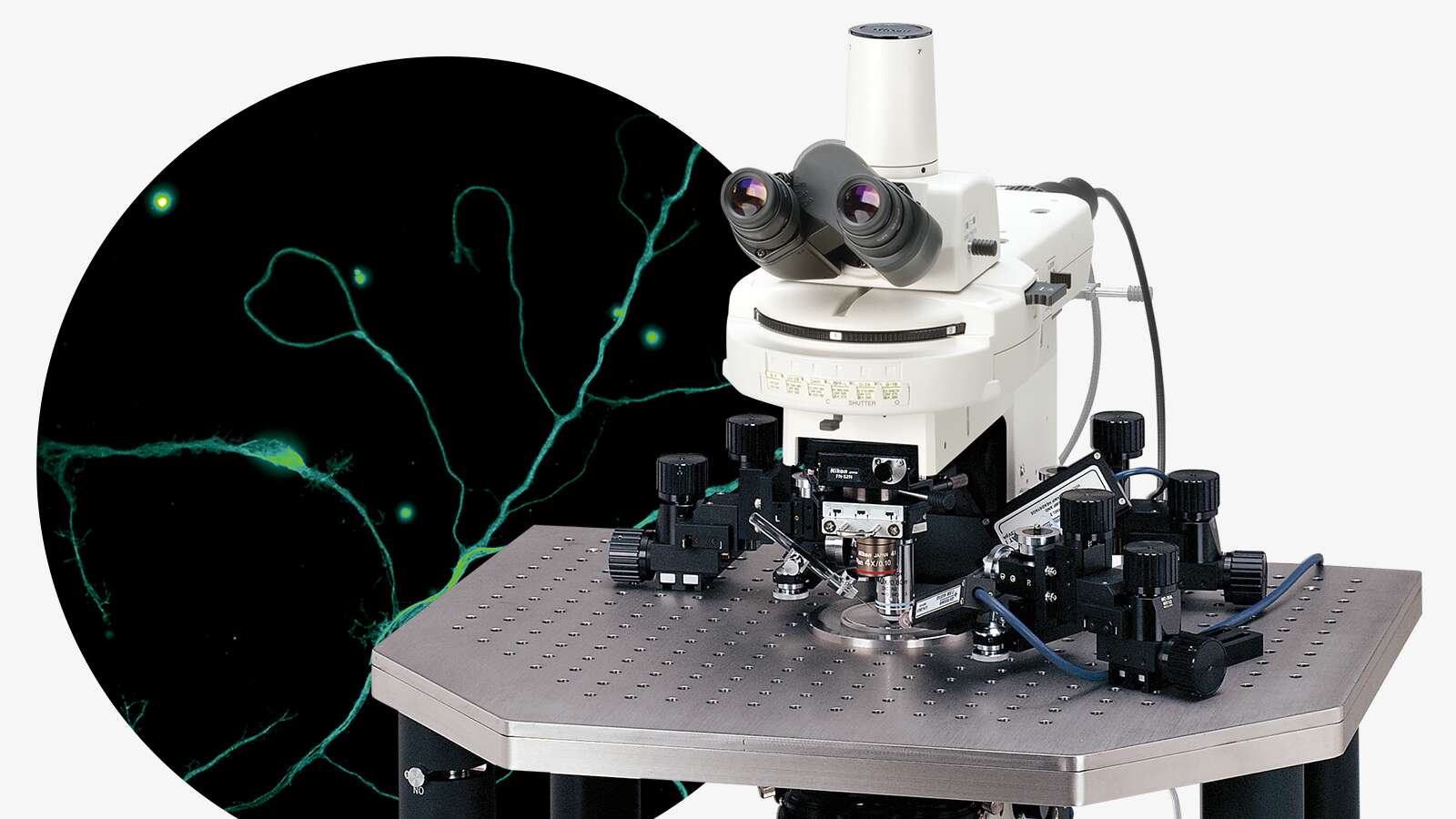
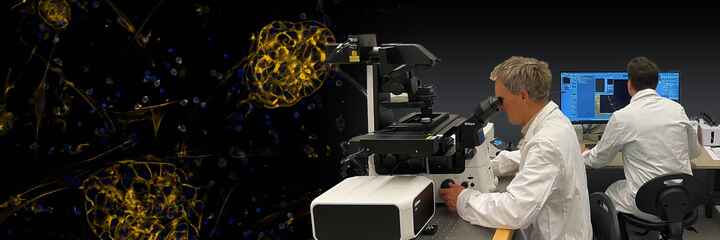
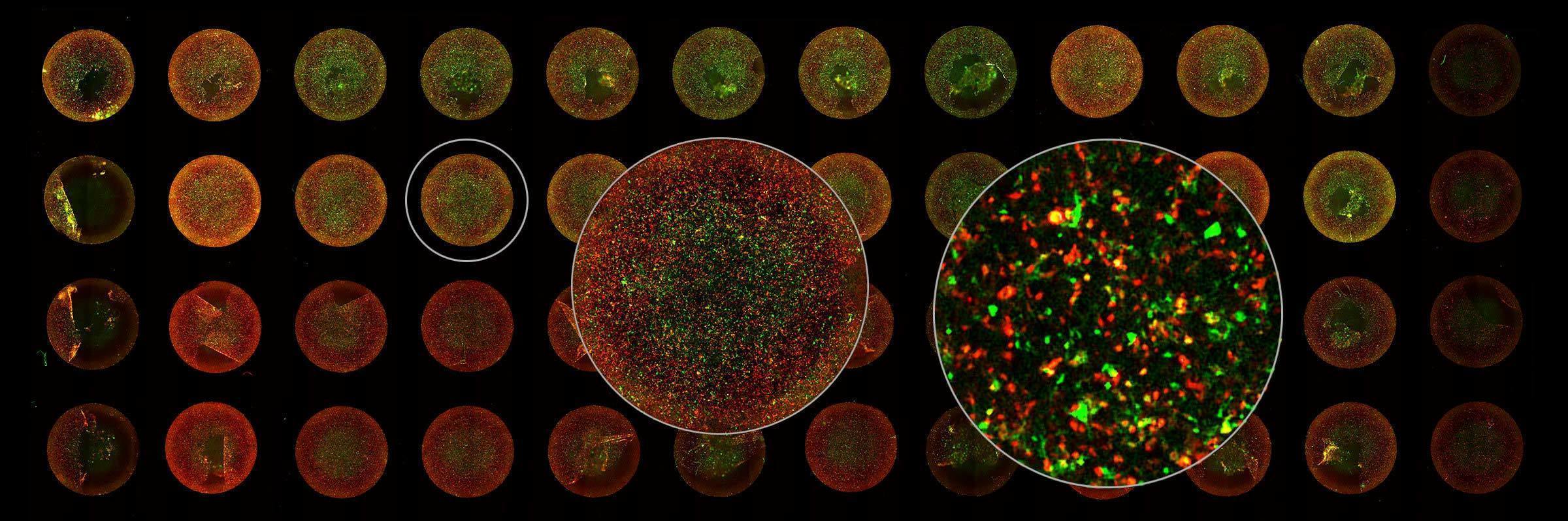
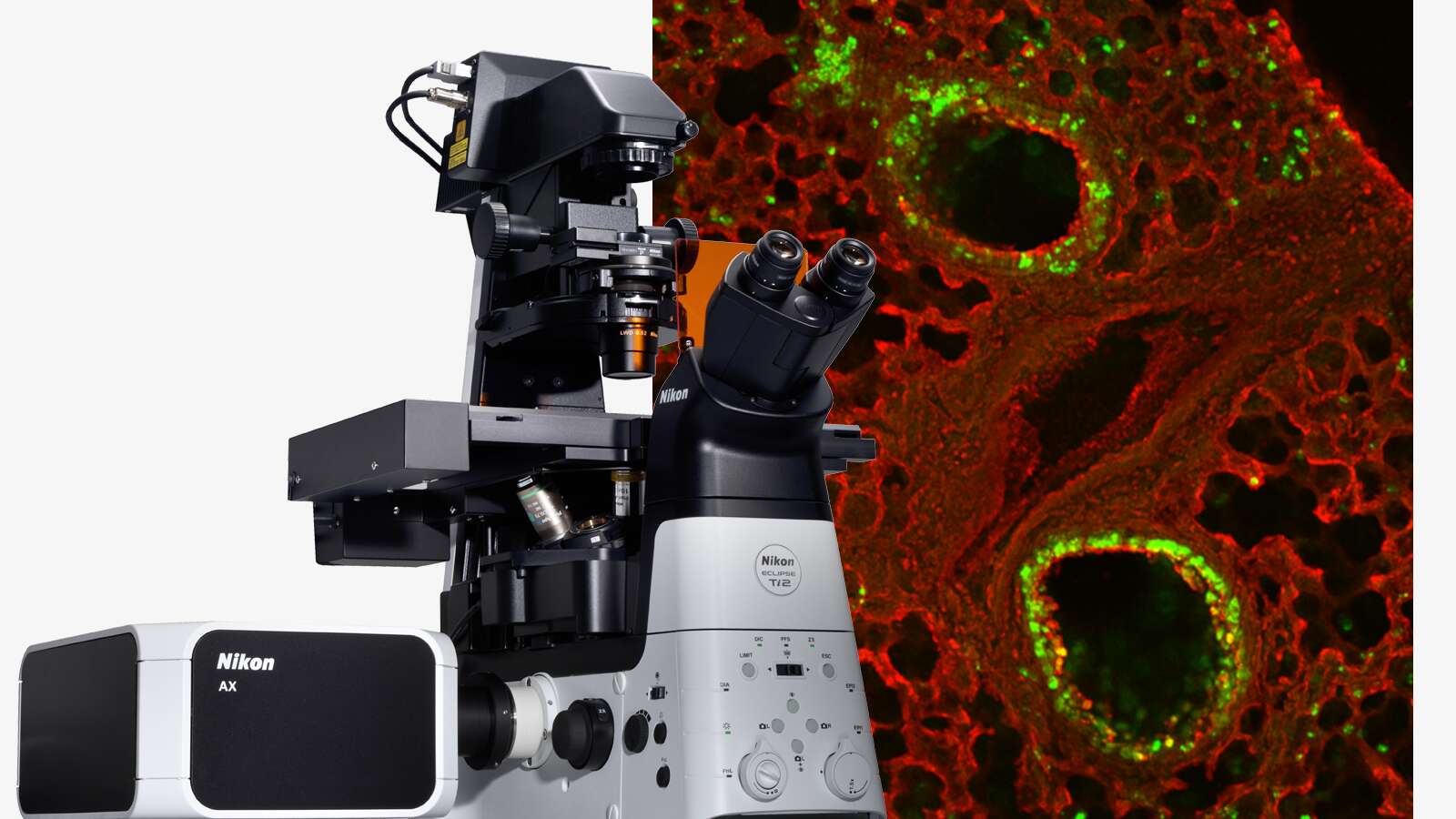
Light microscopy plays an important role in environmental monitoring allowing changes in samples to be identified and characterized - across geological, plant, animal, marine and material systems. Examples include asbestos monitoring in occupational and urban environments, observation and measurement of erosion of buildings, rocks, man-made structures, genetic and pathological examinations of plants and animals exposed to pollutants, and measurements the distribution of organisms with known sensitivity to particular environmental contaminants. The multidisciplinary nature of environmental studies utilizes the entire spectrum of imaging capabilities, but importantly; stereomicroscopy, polarizing, phase contrast, fluorescence, confocal, reflected light methods, and digital imaging and image analysis.