Target Identification
Unraveling the complex relationship between genotype, expression, protein function and disease is the basis for identifying new drug targets in drug discovery. A variety of disciplines may be involved, such as epidemiology, genetics, genomics, molecular pathology and functional proteomics.
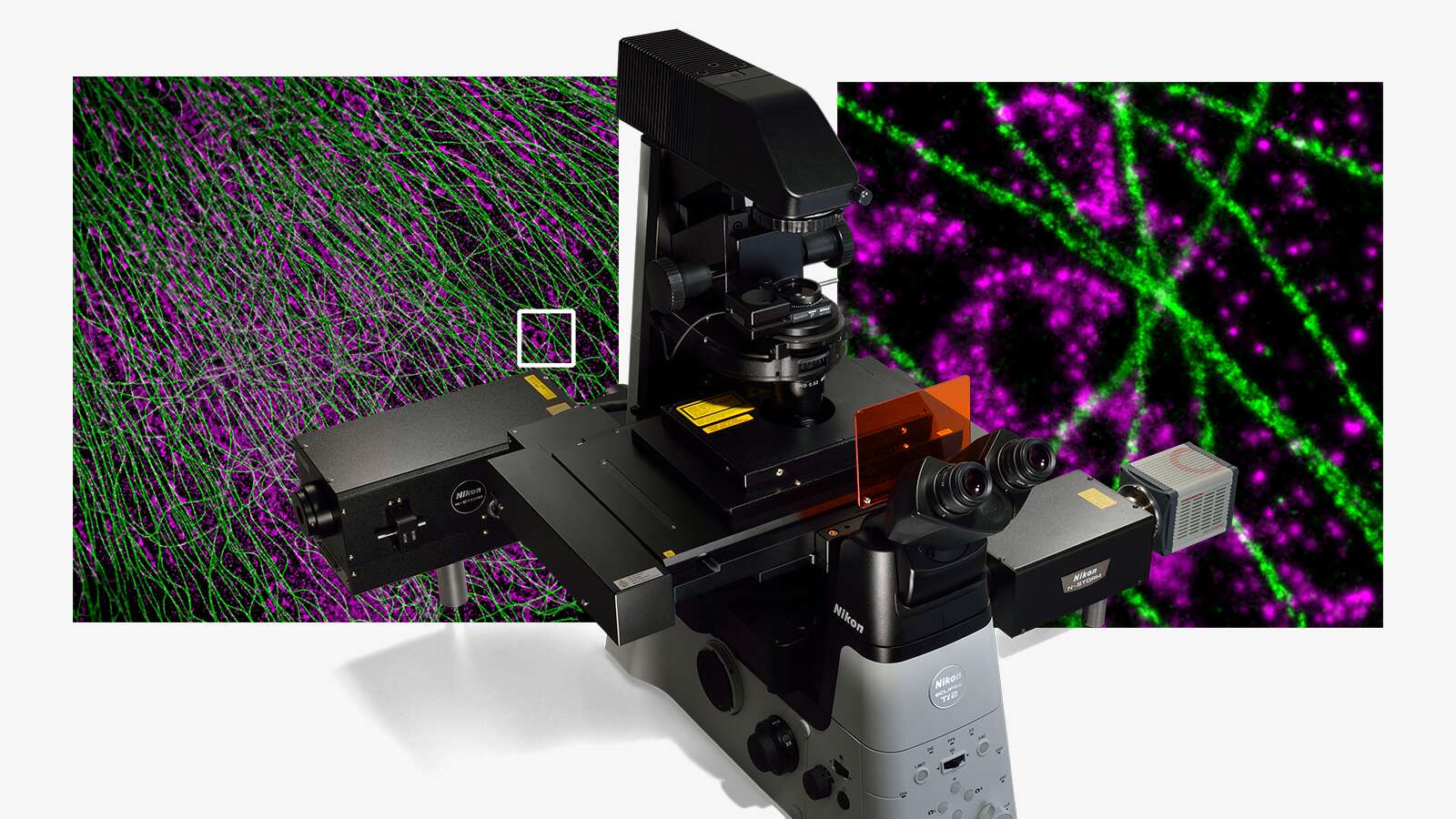
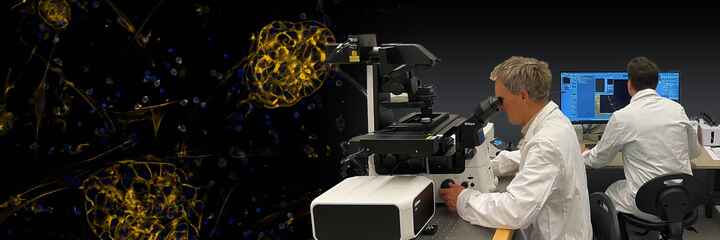
At the cellular level, important research strategies in elucidating gene and protein function include knock-down techniques (for example, RNAi and CALI), developmental studies in wild-type and mutant organisms, and protein localization and protein interaction studies. Microscopy is an essential tool in these target identification strategies and in monitoring the effects of investigational compound on these targets.
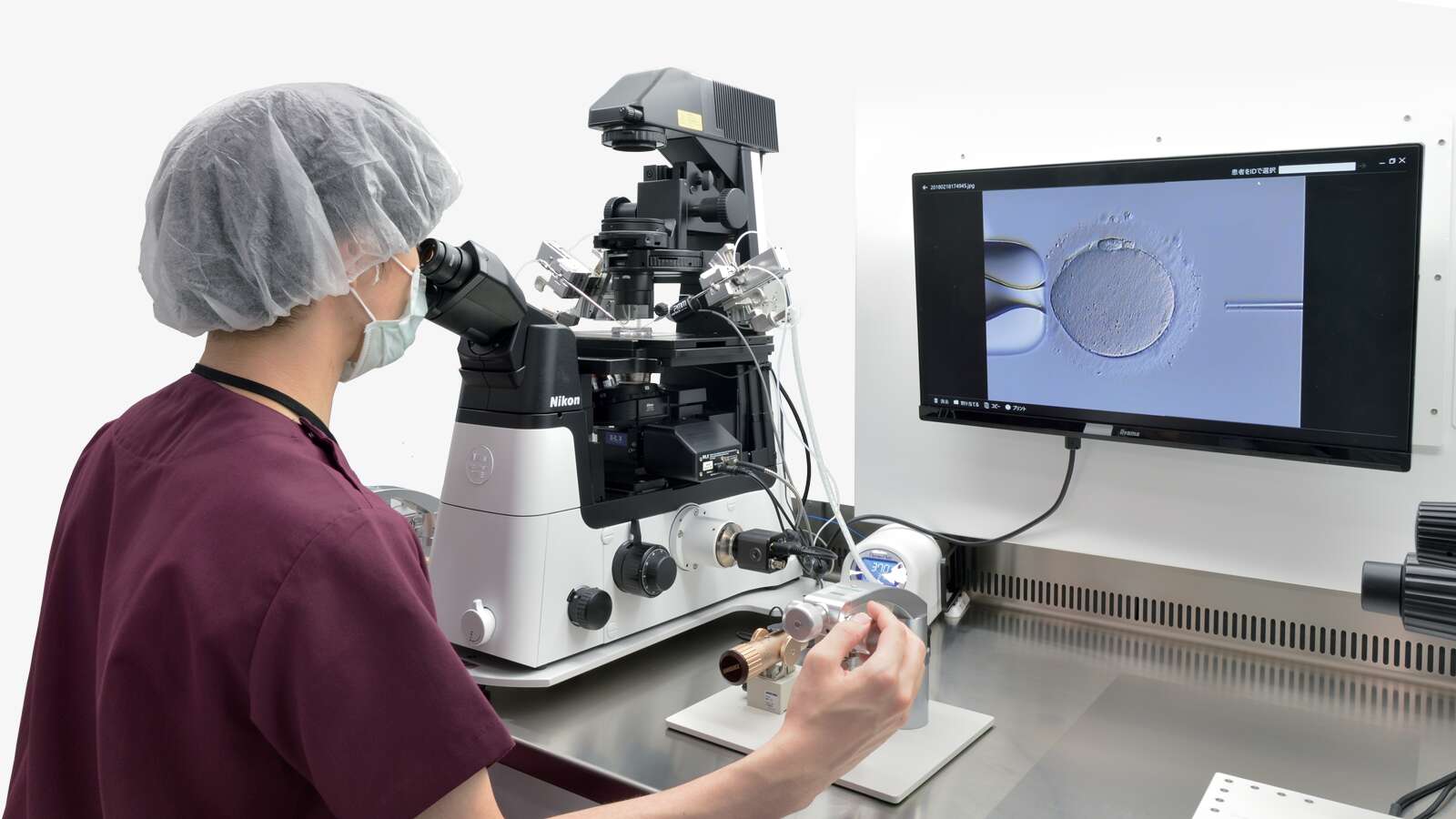
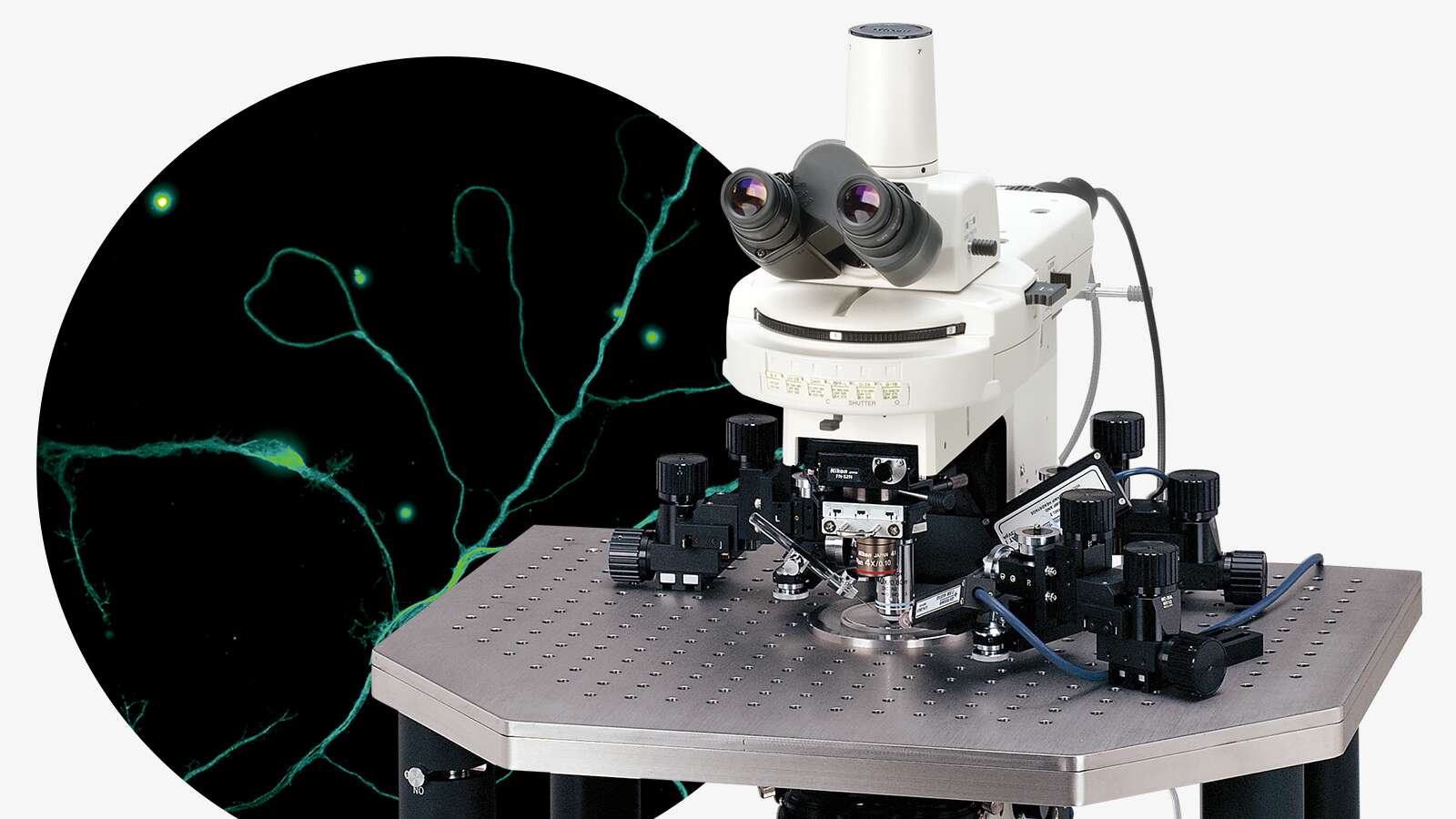
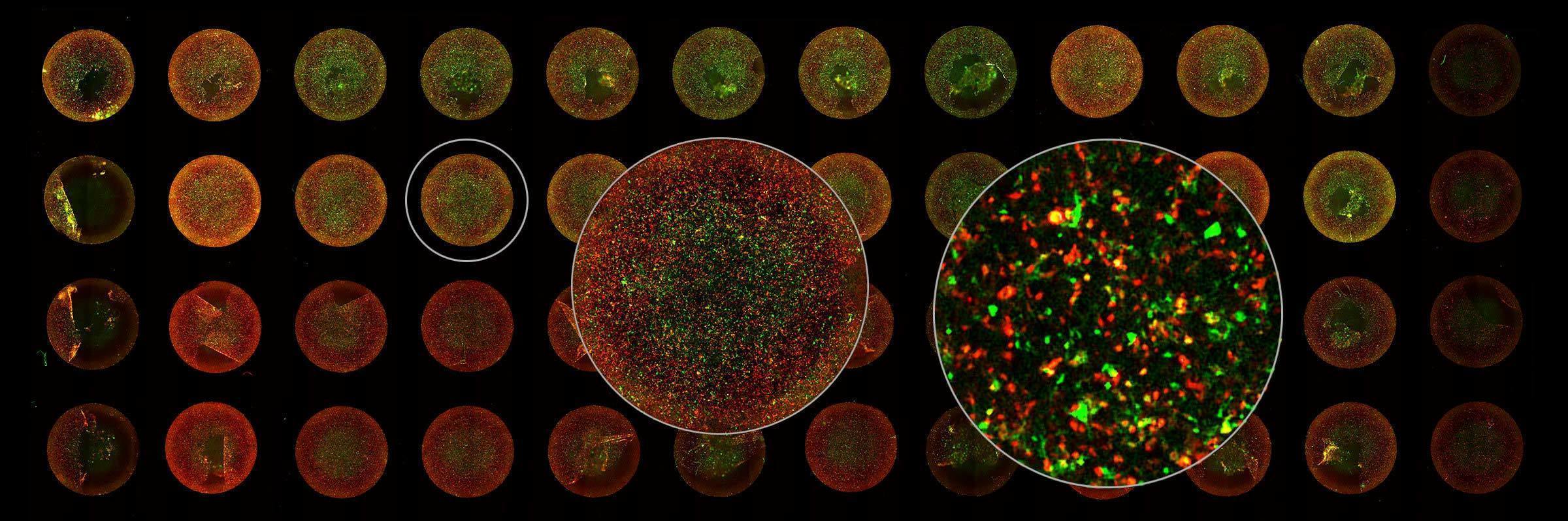
Microscopy is used for micromanipulation when transfecting cells with knock-down molecules and verifying uptake and localization within cells and tissues using GFP tags. It is also important in visualizing directly the effects of gene knock-down and gene mutation in both developing organisms and in individual cells using time-lapse imaging. Microscopy is also essential for observing the downstream effects of gene and protein manipulation at the molecular level. Protein / protein interactions, protein dynamics and localization can all be observed using fluorescent probes and technique such as FRET/BRET, FRAP and TIRF.
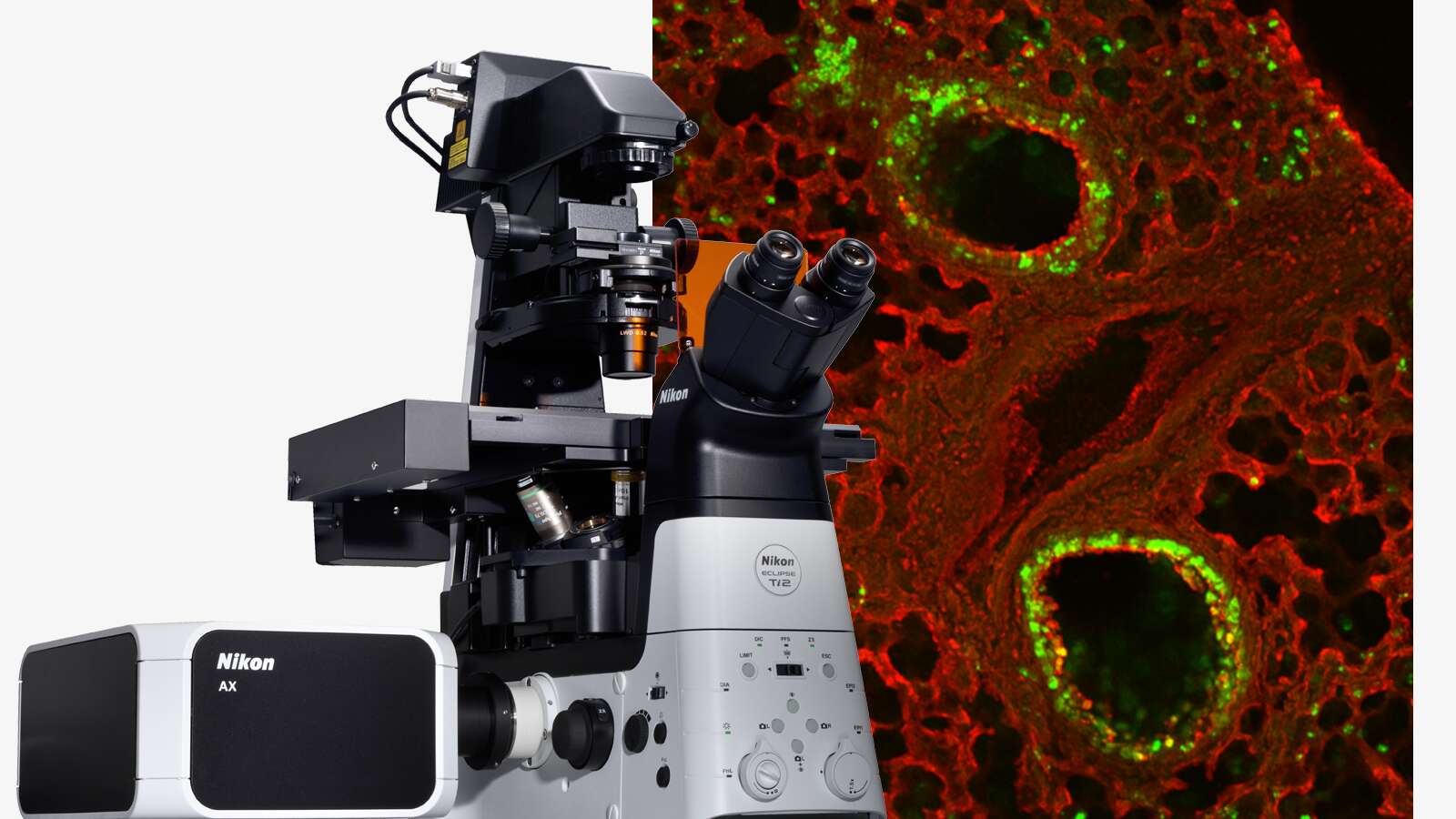
Key light microscopy techniques in target identification include fluorescence, confocal, multidimensional imaging, spectral imaging, FRET/BRET, FRAP, FLIM, and TIRF, photoactivatable GFP, kaede, and quantum dots imaging.
Associated Products
-
Eclipse Ti
Advanced inverted microscope systems offering unprecedented functionality, including built-in Perfect Focus and high-speed motorization.
Cell Signaling, Regenerative Studies, Veterinary, Cell Biology Live, Cell Culture…
-
Eclipse TE2000-PFS
Motorized inverted research microscope with the exclusive Nikon Perfect Focus System for continuous focus correction.
Cell Biology Live, Cell Culture, ADME Tox, Target Identification
-
Eclipse C1si Confocal
Quantitative spectral imaging confocal system offering true, accurate wideband spectral detection and superior spectral resolution.
Palaeontology, Cell Biology Live, Chemical Biology, Neurobiology, Molecular Pathology…
-
A1R-A1 Confocal
Nikon’s groundbreaking confocal system offering greater speed, higher resolution and unprecedented system flexibility.
Palaeontology, Regenerative Studies, Cell Biology Live, Chemical Biology, Neurobiology…
-
BioStation CT
A fully integrated, self contained cell culture observation device and monitoring system.
Plant Science, Regenerative Studies, Cell Biology Live, Cell Culture, Embryology/IVF…
-
BioStation IM
The world's first totally integrated cell incubation and monitoring system.
Regenerative Studies, Cell Biology Live, Cell Culture, Embryology/IVF, Molecular Pathology…