Nikon Instruments / Applications / Biological / Live Cell Imaging

Nikon Cell Biology

Live Cell Imaging

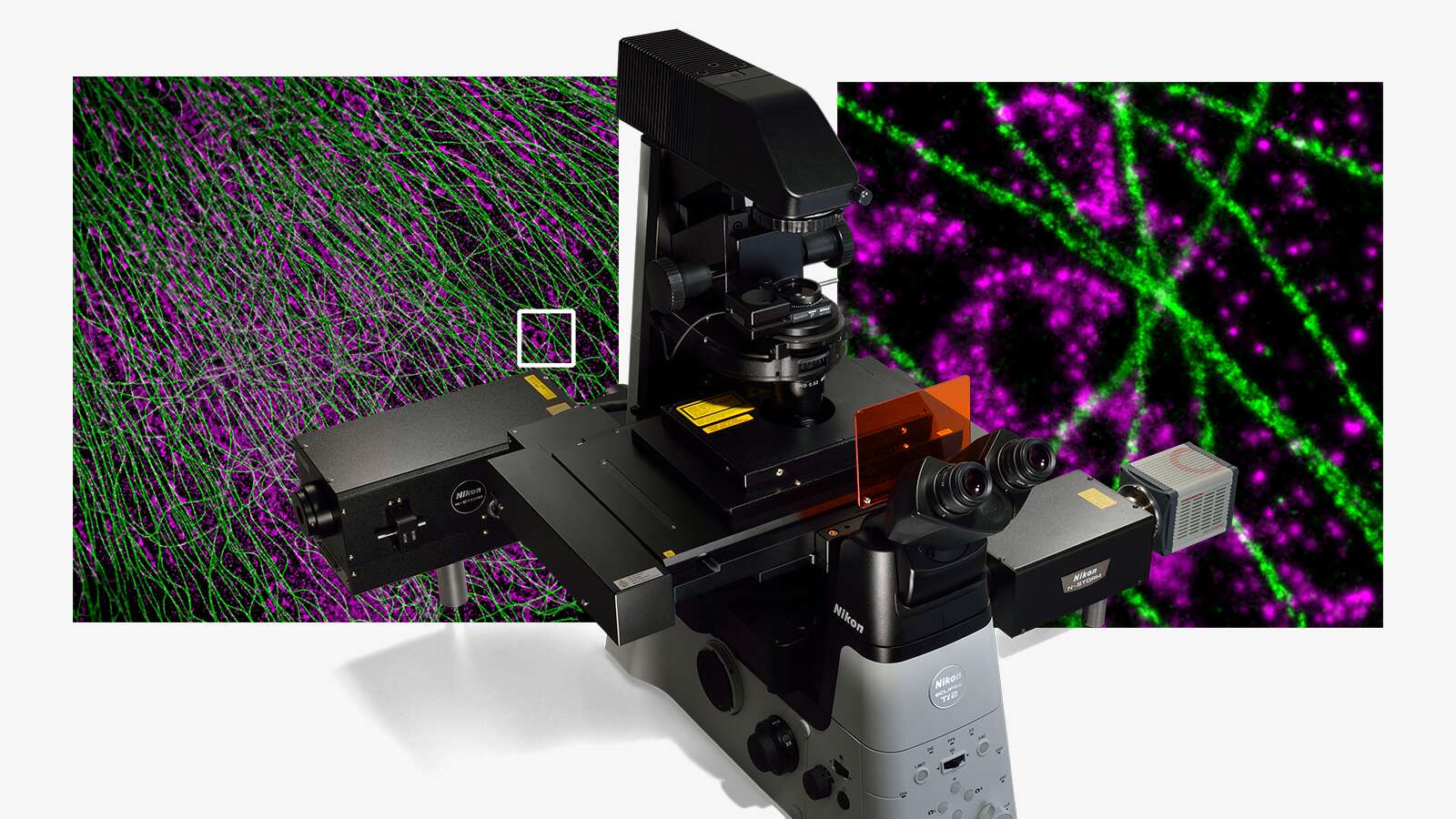
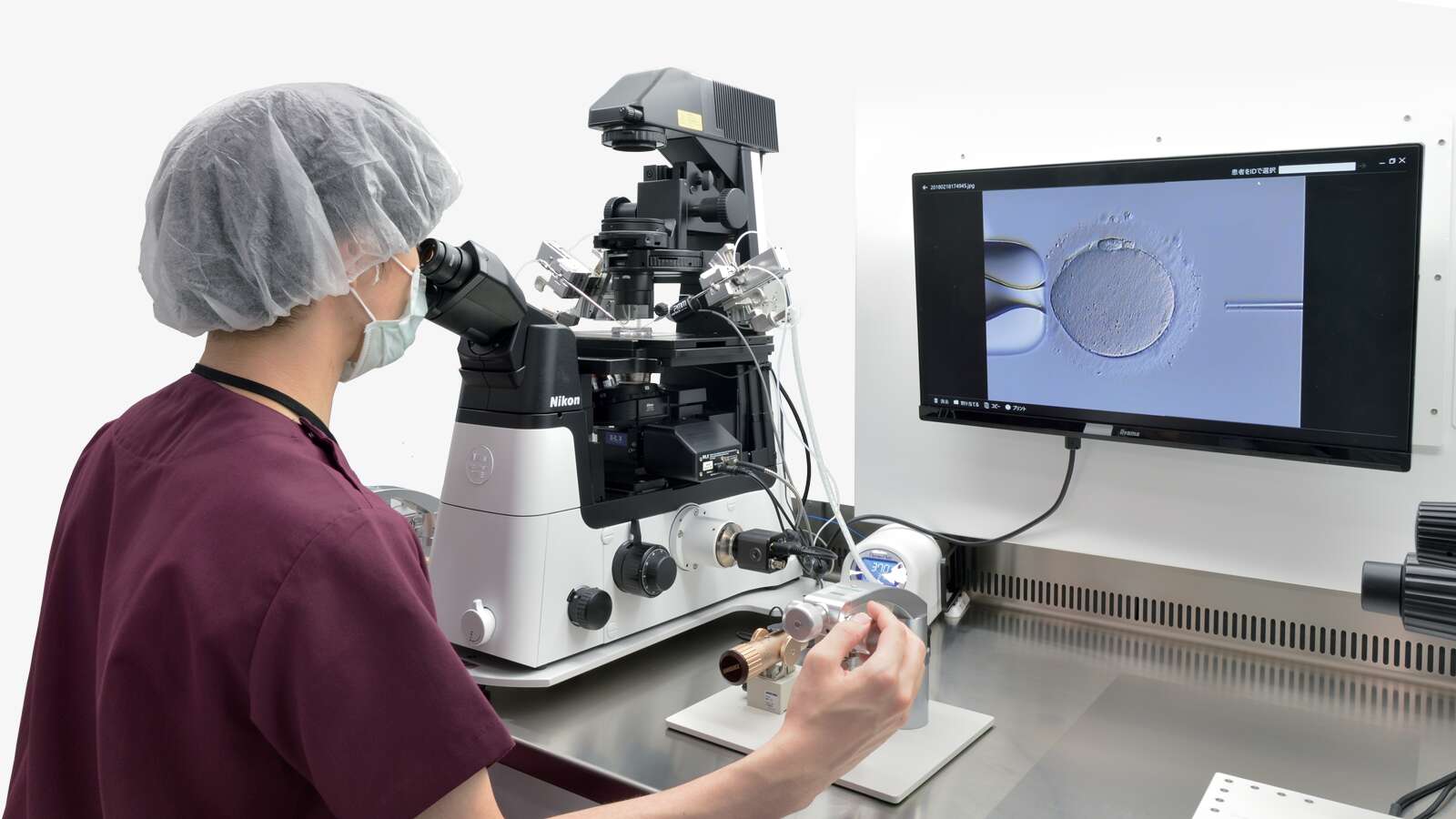
In recent years, a variety of new imaging technologies has enabled a huge expansion in live cell imaging capabilities. It is now possible to image dynamic events in living cells with nanoscale resolution over extended periods of time. This provides researchers with real insights into cell function and a greater understanding of dynamic events.

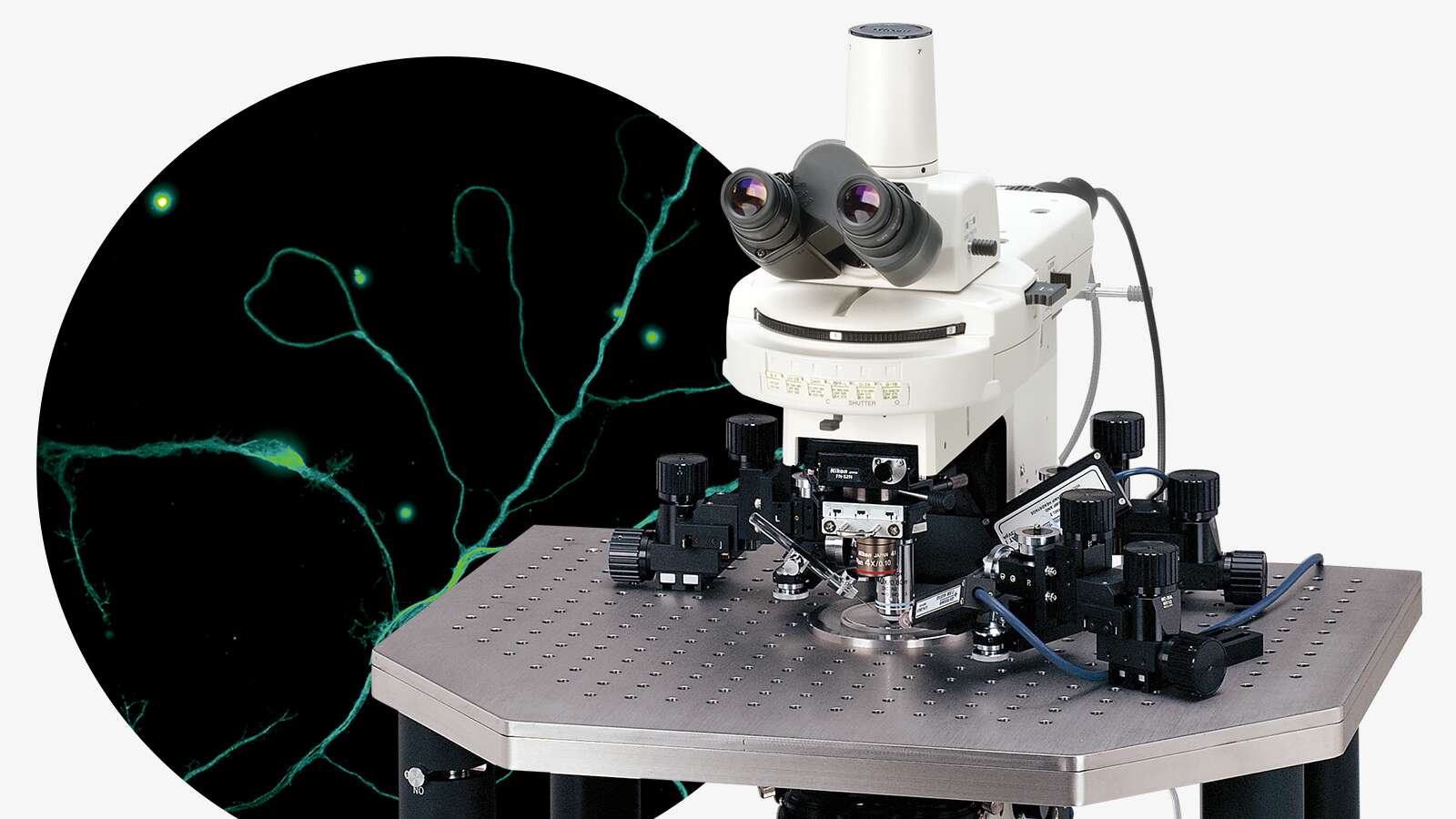
Living, unstained, specimens are predominantly transparent and can be difficult to see in detail under standard brightfield illumination. Greater contrast, enabling the visualization of cell structure, can be achieved with darkfield, phase contrast, Nikon Advanced Modulation Contrast (NAMC), DIC and fluorescence imaging. Fluorescence is a particularly powerful contrast technique. The range of fluorescent probes now available enables a variety of cellular components to be visualized in the same specimen.

Image Credit: Zebra Fish labelled with four probes. Dr Kazuki Horikawa and Prof Takeharu Nagai Research Institute for Electronic Science, Hokkaido University

Applications

Showing: Live Cell Imaging

  • Biology
    Developmental Biology

    Developmental biology deals with the observation and investigation of the processes that cause an organism to develop and grow. This may include studies at the g...

  • Cell Signaling
    Cell Signaling

    Cell signaling technology describes the communication systems within and between cells which govern and coordinate cell activities. Understanding more about cell...

  • Cell Culture Maintenance
    Cell Culture and Maintenance

    Cell culture is becoming a science in its own right with the growth of interest in cell-based studies, and especially live cell studies for research. Both prokar...

Choose Your Region


Email Updates